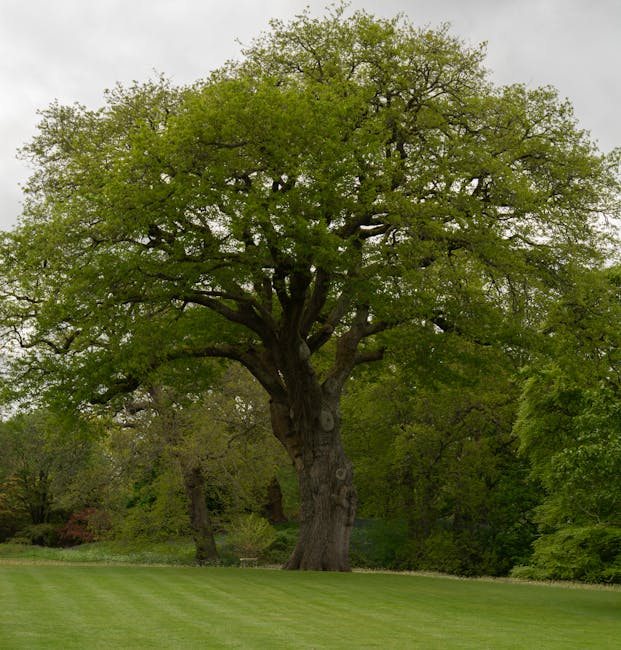
Steep garden access solutions One Tree Hill Honor Oak gardeners
Steep gardens can look charming from the top of the hill, but they quickly become awkward the moment you need to move compost, timber, tools, or a wheelbarrow through a narrow side return. If you live near One Tree Hill or around Honor Oak, you already know the feeling: one wrong step on a damp slope and suddenly a simple tidy-up turns into a wrestling match with gravity. This guide to Steep garden access solutions One Tree Hill Honor Oak gardeners explains the practical ways gardeners make difficult sites workable, safer, and far less stressful.
Whether you are planning regular maintenance, a garden refresh, or a more involved landscaping project, the right access approach can save time, reduce mess, and make the whole job feel much less like a balancing act. And yes, there is usually more than one sensible way to do it.
Contents
- Why access matters on steep gardens
- How steep garden access solutions work
- Key benefits and practical advantages
- Who this is for and when it makes sense
- Step-by-step guidance
- Expert tips for better results
- Common mistakes to avoid
- Tools, resources and recommendations
- Law, compliance, standards, or best practice
- Options, methods, or comparison table
- Case study or real-world example
- Practical checklist
- Conclusion
- Frequently asked questions
Why Steep garden access solutions One Tree Hill Honor Oak gardeners Matters
Steep access affects almost everything in a garden. If the route from house to garden is a slope, stairs, a side alley, or a cramped rear entry, then even small jobs become harder than they should be. A hedge cut that would normally take an hour can take longer simply because clippings have to be carried carefully. Garden clearance becomes more physical. Even mowing can be awkward if the route in and out is poor.
In hilly parts of South East London, this is not unusual at all. One Tree Hill and the surrounding Honor Oak streets often involve gradients, split-level plots, or older layouts with tighter access than newer homes. That means the access plan is not a side issue. It is the job.
Good access planning matters because it helps with:
- safe movement of people and equipment
- better protection for existing lawns, paths, fences, and planting beds
- faster work with less repeated lifting
- lower risk of damage to the property
- cleaner finishes, especially on landscaping and clearance projects
To be fair, access is often the difference between a garden task feeling tidy and organised, or feeling chaotic by lunch time.
Expert summary: If a garden is hard to reach, the smartest fix is usually not brute force. It is a better route, better sequencing, and the right equipment for the slope.
How Steep garden access solutions One Tree Hill Honor Oak gardeners Works
There is no single "steep garden access" method. The right solution depends on the slope, the width of the route, the condition of steps or paving, and the type of work being done. In practice, gardeners usually combine a few approaches rather than relying on one magic answer.
Here is how it tends to work on site.
1. The access is assessed first
Before the first bag of soil moves, a gardener will look at where people can safely walk, where tools can be staged, and whether the route can handle heavier materials. A short, steep path may be fine for hand tools but poor for bulk waste. A wider path might still be unsuitable if it is slippery or uneven.
2. The job is broken into smaller movements
Instead of trying to carry everything in one go, the work is split into manageable loads. That sounds obvious, but it makes a huge difference on sloping ground. Small loads reduce slips, reduce strain, and keep the work moving. Nobody wants to be doing an accidental bicep workout in the rain.
3. Materials are placed strategically
On difficult access sites, where you place materials matters almost as much as what you use. Mulch, topsoil, turf, gravel, and waste may need to be staged closer to the working area, or stored so they do not obstruct the only safe route.
4. The route is protected
Temporary protection can help preserve steps, decking, paving, and the edges of beds. That might mean boards for pressure distribution, non-slip measures, or just careful sequencing so the same route is not worn into a muddy slipway.
5. The clean-up is planned from the start
Garden access is not just about getting in. It is also about getting out without leaving a trail of soil, cuttings, or broken branches behind. A proper plan includes where waste is collected, how it is removed, and how the site is left tidy. If you are having a broader tidy-up done, a service such as garden clearance can be especially useful on steep plots because it deals with the awkward lifting and loading in one structured process.
For ongoing care, access planning also supports services like garden maintenance, especially where recurring visits are easier than one huge seasonal overhaul.
Key Benefits and Practical Advantages
Once steep access is handled properly, the whole garden usually works better. Not just the immediate job. The long-term feel of the space improves too.
- Safer work conditions - fewer awkward carries and less risk of slips on gradients.
- Better finish quality - less trampling, less mess, and fewer accidental scuffs to planting or surfaces.
- Less stress for the homeowner - you are not trying to coordinate a garden project and a logistics puzzle at the same time.
- More efficient labour - time goes into actual gardening rather than constant back-and-forth movement.
- Lower chance of damage - narrow access and steep ground can be hard on walls, railings, gates, and paths if the route is not thought through.
There is also a quieter benefit that people notice later: the garden feels more usable. Once the access side is sorted, maintenance is easier to repeat. That can be a big deal on hillside properties where gardens tend to slip into neglect faster than flat ones.
Who This Is For and When It Makes Sense
Steep access solutions are relevant for a lot of people, not just those with dramatic hill gardens. If the route is awkward enough to slow down regular tasks, then it is worth thinking about.
This is especially useful if you:
- have a rear garden with steps, level changes, or a narrow side passage
- need regular hedge cutting or pruning in a hard-to-reach space
- are planning a landscaping upgrade and want to avoid future access headaches
- have a garden that becomes slippery in wet weather
- need occasional clearance after a long period of growth
- want to reduce the strain of moving compost, soil, timber, or cuttings
It also makes sense if you are planning structural work such as retaining features, platforms, or tiered planting. In those cases, access is not just about getting a mower through. It affects how materials are delivered, stored, and installed. For larger transformations, services like landscape gardening or broader landscaping can help shape the garden so access becomes easier in the long run.
And if overgrown trees or branches are creating the problem, then tree lopping and removal may also be part of the solution, especially where canopy spread is narrowing a route or throwing too much shade onto a damp path.
Step-by-Step Guidance
If you are thinking about how to improve access on a steep garden, this is the practical order that usually makes the most sense.
- Map the route
Identify the safest route in and out of the garden. Do not just use the shortest one by habit. Look at the actual footing, not the assumption.
- Measure the pinch points
Check narrow gates, corners, awkward turns, low steps, and points where equipment will need to be lifted or turned. A mower might fit, but a wheelbarrow full of wet cuttings may not. That is where people get caught out.
- Match the access plan to the task
A hedge trim is not the same as a full clearance or a hard landscaping project. Light work may only need a careful carrying plan. Heavier work may need staging areas or temporary surface protection.
- Clear trip hazards first
Before bringing in larger tools, remove loose pots, hosepipes, branches, and anything else that could shift underfoot. On a slope, small clutter becomes a bigger problem.
- Use the lightest practical equipment
Where possible, use compact tools, smaller loads, and equipment that can be safely manoeuvred on uneven ground. Bigger is not always better. Sometimes it is just more awkward.
- Protect the surface
If paths are muddy, soft, or likely to be marked, protect them early. A slight delay here can prevent a lot of mess later.
- Plan waste removal before work starts
Green waste and soil should not pile up where they block the route. Decide where waste will be bagged, stacked, or taken away.
- Review the finish
At the end, check the route again. Are steps clear? Has any soil slipped onto the path? Are gates and catches working properly? A tidy access route makes the next visit much easier.
Expert Tips for Better Results
Small choices make a big difference on steep ground. In our experience, the jobs that go smoothly are usually the ones where the boring details were handled properly from the outset. Not glamorous. Very effective.
Keep load sizes small and predictable
One heavy wheelbarrow load on a slope can be more trouble than two smaller ones. It is slower on paper, but often quicker in the real world because there are fewer near-misses and fewer stops.
Work from the top down where possible
If the layout allows, starting at the top of the garden can help avoid reworking the same area. That is especially useful during hedge trimming or pruning, where clippings naturally move downward.
Respect wet weather
Even a garden that feels manageable in dry weather can become slippery after rain. You can usually hear it too, that soft, sticky sound underfoot. If it is wet and steep, slow down. There is no medal for rushing.
Use temporary staging points
A mid-point landing, flat terrace, or stable corner can be used to stage tools and materials without clogging the whole route. That tiny bit of organisation often saves a lot of backtracking.
Think ahead about future access
If you are planning permanent changes, ask how the design will affect access for routine maintenance. A beautiful feature that blocks the path gets old very quickly.
If your aim is better day-to-day upkeep rather than a one-off project, linking access improvements with lawn mowing and regular garden care can keep the space under control more easily through the year.
Common Mistakes to Avoid
Steep access problems are often made worse by a few very fixable mistakes.
- Ignoring the route until the day of work - this is the big one. A 10-minute look can save an hour of faffing.
- Using oversized tools or materials - they may be efficient on flat ground, but on a slope they can become a liability.
- Failing to protect steps and paving - scratched stone and muddy tracks are frustrating, and avoidable.
- Loading wheelbarrows too heavily - especially on wet or uneven paths.
- Assuming all gardens need the same access plan - they really do not. One Tree Hill plots and Honor Oak back gardens can vary a lot, even on the same street.
- Leaving waste in the wrong place - it can block the route and slow everything down.
A smaller mistake, but a common one: people often focus on the main garden area and forget the entrance itself. The first five metres can be the hardest part. If that section is awkward, the whole job feels harder.
Tools, Resources and Recommendations
You do not need a warehouse of specialist kit to handle a steep garden properly. What you do need is the right combination of simple tools and sensible process.
Helpful tools and kit
- compact hand tools for pruning, cutting, and edging
- sturdy gloves with good grip
- lightweight bags or containers for waste
- stable wheelbarrows suited to the site layout
- temporary surface protection for paths or steps
- basic marking materials to define safe routes and staging points
Useful services to consider
On difficult sites, it often makes sense to combine several services so the access plan is consistent across the whole garden. For example, hedge work, mowing, clearance, and longer-term maintenance can be arranged in a sequence that keeps the site orderly. If the garden has become heavily overgrown, a focused garden clearance visit may be the best starting point before more detailed work happens.
For people who want a more complete redesign, a project that includes decking services can sometimes create better levels and more usable routes, especially where the original ground is uneven. It is not always the answer, of course, but it can be a smart one in the right setting.
If you are comparing providers, it is sensible to look at their broader approach to services overview, pricing and quotes, and the practical detail around insurance and safety. Those pages can help you judge whether a company understands difficult-access work, not just standard garden visits.
Law, Compliance, Standards, or Best Practice
For steep garden work, the main concern is not complex legislation in the abstract. It is safe working practice, sensible planning, and care for the property and people involved. In the UK, anyone carrying out garden work should treat safety seriously, especially where gradients, slips, lifting, cutting tools, or tree work are involved.
Best practice usually includes:
- risk-aware site assessment before work starts
- safe manual handling and sensible load limits
- clear walkways and stable footing where possible
- appropriate use of tools for the conditions
- careful handling of waste, especially heavy or awkward material
- proper attention to insurance and public safety
Where tree work is involved, extra care is warranted. So does compliance with your own local circumstances: shared access, neighbour boundaries, and the condition of retaining walls or old steps can all affect how work should proceed. If something looks unstable, it usually deserves a slower, more cautious approach.
You can also check a company's own policies and statements for reassurance, including its health and safety policy, accessibility statement, recycling and sustainability, and payment and security. These are not just formalities; they tell you a lot about how carefully the business works.
Options, Methods, or Comparison Table
Different access solutions suit different jobs. The table below gives a simple way to think about it.
| Method | Best for | Strengths | Watch-outs |
|---|---|---|---|
| Careful hand-carrying | Light maintenance, pruning, small tidies | Flexible, low disruption, no special setup | Slower for bigger jobs; tiring on steep routes |
| Staged movement with small loads | Clearance, soil movement, repeated trips | Safer, easier to control on slopes | Needs planning and discipline |
| Surface protection and route marking | Wet ground, delicate paving, newer finishes | Reduces damage and mess | Extra setup time |
| Design-led access improvement | Recurring access problems or renovations | Long-term usability, better maintenance access | Higher upfront commitment |
| Combined maintenance and landscaping plan | Ongoing care on difficult plots | More efficient over time, less repetition | Works best when kept consistent |
There is no single winner for every garden. A quick hedge trim might only need a staged carry plan. A full refresh might benefit from a more permanent redesign. That's the honest answer.
Case Study or Real-World Example
Picture a typical steep back garden in Honor Oak: a narrow side passage, a few shallow steps near the house, and a sloping lawn that holds moisture after rain. The owner wants the borders cleared, the hedge reduced, and the paths made cleaner for weekly use. Nothing dramatic, but the access is awkward enough to slow everything down.
In a case like that, the smart approach is usually to split the work into three phases. First, clear the route and remove loose obstacles. Second, carry out the heavier cutback and waste collection in small loads, using staging areas near the bottom or top of the slope. Third, finish with ongoing upkeep so the garden does not drift back into overgrowth.
What changes the experience is not just the tools. It is the sequence. Once the route is clear and the waste handling is controlled, the space starts to feel calmer almost immediately. A client often notices this before they notice the finished planting or cut lines. The garden simply feels less fighty, if that makes sense. Less fighty is good.
That is also why combining access improvements with a service such as hedge trimming can be so effective. You are not only making the boundary neat. You are making the access cleaner for the next visit too.
Practical Checklist
Use this checklist before work starts on a steep garden:
- Walk the route and identify the safest entry and exit points.
- Check for slippery areas, loose slabs, uneven steps, and trip hazards.
- Measure narrow gates and tight turns before moving equipment.
- Decide where tools, cuttings, and waste will be staged.
- Choose smaller, safer load sizes rather than forcing big carries.
- Protect delicate paving, decking, or step edges where needed.
- Make sure the route stays clear throughout the job.
- Plan how waste will be removed without blocking access.
- Confirm whether ongoing maintenance will be easier after the work is done.
- Review insurance, safety, and the scope of the service before starting.
Quick reminder: the best access solution is usually the one that reduces risk without creating more work later.
Conclusion
Steep gardens are part of the character of many homes around One Tree Hill and Honor Oak, but they do need a different approach. The best steep garden access solutions are rarely flashy. They are thoughtful, steady, and built around the actual shape of the site. Once the route is safe, the work gets easier. The garden gets easier to live with too.
If you are planning regular care, a one-off clearance, or a bigger redesign, it is worth choosing an approach that makes future access simpler, not harder. That is the part people forget. You are not only solving today's problem; you are setting up the next six months as well.
Get a free quote today and see how much you can save.
And if the slope has been giving you grief for a while, don't worry. A good plan can change the whole feel of the garden, one sensible step at a time.
Frequently Asked Questions
What are steep garden access solutions in practical terms?
They are the methods used to move people, tools, and materials safely through a garden with slopes, steps, narrow side access, or awkward levels. In simple terms, it is the logistics side of gardening.
Why do steep gardens need special access planning?
Because carrying equipment uphill or downhill changes the risk, effort, and timing of the job. Without planning, even a small task can become slow, messy, and unnecessarily tiring.
Are steep access solutions only needed for big landscaping jobs?
No. They matter for routine work too, such as hedge trimming, mowing, and regular maintenance. Often, the smaller jobs are where poor access causes the most frustration.
Can a steep garden be maintained regularly without major changes?
Yes, in many cases. A sensible route, small load sizes, and the right timing can make ongoing maintenance very manageable even if the garden stays naturally sloped.
What is the safest way to move garden waste on a slope?
Usually, it is best to move waste in smaller loads, keep the route clear, and avoid overfilling carriers or wheelbarrows. Wet cuttings and soil can be deceptively heavy.
Do steep gardens always need landscaping work to improve access?
Not always. Sometimes the answer is better workflow rather than physical redesign. But if access is repeatedly causing problems, landscaping changes may be worth considering.
How do I know if my garden path is too narrow for equipment?
Look at the widest item you need to move, including turning space, not just straight-line width. A path that seems fine for one tool may still be awkward for waste bags or a loaded barrow.
What should I ask a gardener before booking steep access work?
Ask how they plan to manage the route, whether they have experience with difficult access, how waste will be handled, and what surface protection they may use. Those questions tell you a lot.
Is steep garden work more expensive?
It can be, because it often takes more time and care. But that does not automatically mean it is poor value. Good planning usually prevents damage and reduces unnecessary labour.
Can access issues affect hedge trimming and tree work?
Yes, very much so. Branches, clippings, and cutting equipment all need safe handling, and awkward access can change the whole method. That is why planning matters before the first cut is made.
What signs suggest my steep garden needs a professional approach?
If you are dealing with repeated slips, heavy lifting, tight routes, or a garden that becomes hard to keep under control, it is probably time for a more structured approach. Sometimes the honest answer is simply: this is bigger than a quick DIY tidy.
How often should a steep garden be reviewed for access problems?
At least whenever the garden changes shape, becomes overgrown, or you are planning a new project. A route that worked last season may not be good enough once planting, mud, or steps have changed.